- (937) 404-1040
- Mon - Fri: 8:30am - 5:00pm EST

Amazon Relay requires motor carriers to maintain strict insurance coverage to haul freight under the Amazon Relay platform. These requirements are enforced continuously, and failure to comply can result in suspended loads, blocked access, or removal from the platform.
Cogo Insurance helps carriers meet and maintain Amazon Relay insurance requirements accurately, with proper limits, correct policy structure, and compliant certificates.
Amazon Relay does not allow partial or incorrectly structured coverage. All required policies must be active, compliant, and properly documented.
Amazon Relay requires:
This coverage applies to bodily injury and property damage arising from vehicle operation.
Key points:

Amazon Relay requires:
Cargo coverage must protect Amazon freight while in transit.
Important considerations:
Amazon Relay requires:
This coverage applies to non-auto bodily injury and property damage, including incidents at Amazon facilities.
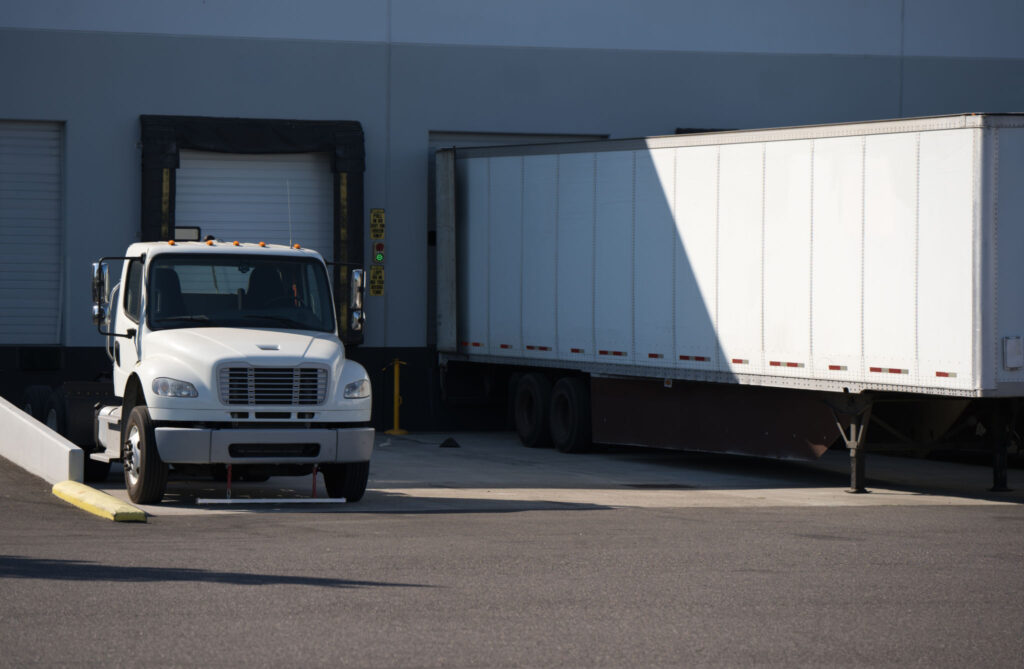
Amazon Relay requires Trailer Interchange coverage for carriers pulling Amazon-owned or Amazon-controlled trailers.
Minimum requirement:
Trailer Interchange covers physical damage to non-owned trailers while in the carrier’s care, custody, and control.
Important notes:
Coverage depends on driver classification.
Coverage must be active in all operating states.
Amazon Relay closely monitors insurance compliance through automated systems.
Certificates must:
Incorrect certificates frequently result in access issues.
Carriers often lose Relay access due to preventable issues such as:
Cogo Insurance proactively addresses these issues.
These requirements apply to:
If you haul Amazon loads through Relay, compliance is mandatory.
Amazon Relay insurance compliance is strict and unforgiving.
We focus on keeping carriers active on the Relay platform.
Yes. Amazon Relay requires $1,000,000 CSL Commercial Auto Liability.
Yes. Amazon requires Trailer Interchange coverage with a minimum $50,000 limit.
It is the minimum requirement, though higher limits may be appropriate.
Yes. Missing coverage, incorrect certificates, or lapses can trigger suspension.
In some cases, yes, depending on state rules and driver classification.
Yes. We review limits, exclusions, Trailer Interchange wording, and certificates to ensure full compliance.