- (937) 404-1040
- Mon - Fri: 8:30am - 5:00pm EST

Builder’s Risk insurance protects buildings under construction, renovation, rehabilitation, or major alteration. It is especially critical for vacant buildings, where standard commercial property insurance often excludes or severely limits coverage.
Cogo Insurance places Builder’s Risk insurance for vacant buildings, partial renovations, adaptive reuse projects, and large redevelopment initiatives across the United States. Coverage can be structured for monoline projects or integrated into broader real estate insurance programs.
Builder’s Risk is a specialized form of property insurance designed to cover buildings while construction or renovation is in progress. It protects against physical loss or damage to the structure, materials, and equipment before the project is completed and occupied.
For vacant buildings, Builder’s Risk is often the only viable insurance solution once construction begins or occupancy drops below carrier thresholds.
Builder’s Risk coverage is tailored to the project scope and phase.
Covered Property Typically Includes:
Coverage applies during demolition, build-out, and finishing phases.
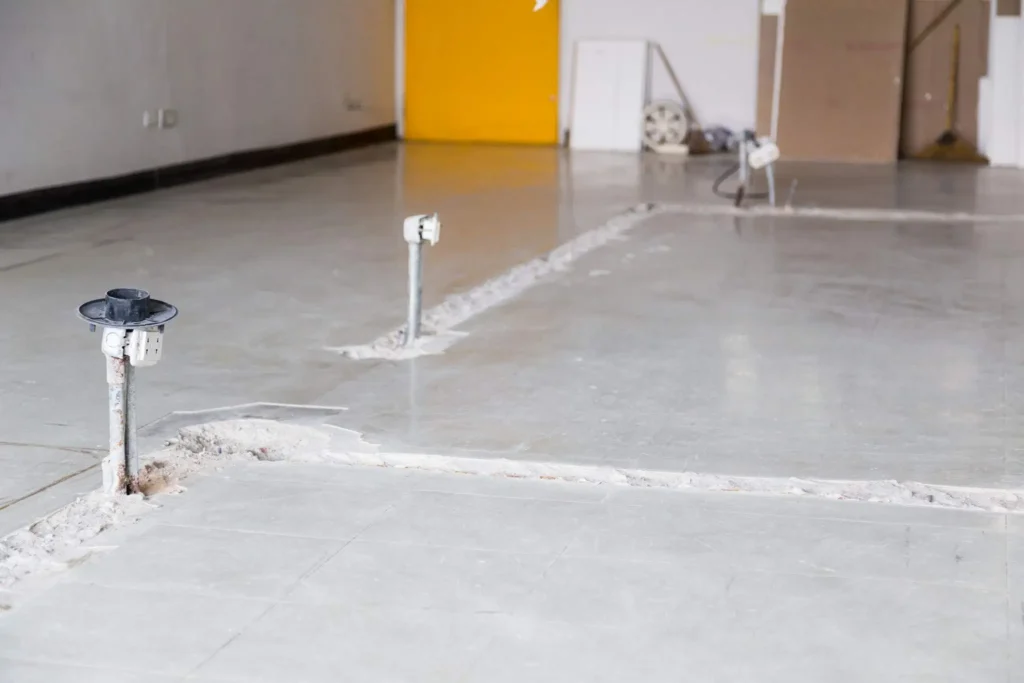
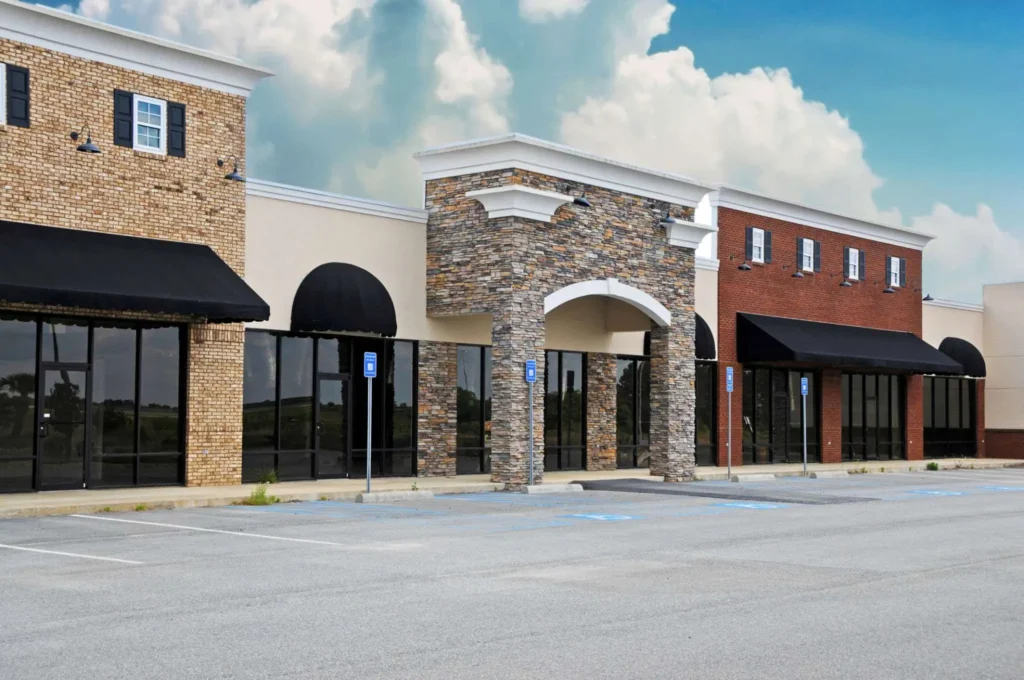
Policies commonly cover:
Coverage terms depend on project type and underwriting.
Vacant buildings present elevated risk due to:
Most commercial property policies restrict or exclude coverage once a building is vacant beyond a defined period. Builder’s Risk fills that gap during renovation or redevelopment.

Builder’s Risk is appropriate for:
If construction work is underway, Builder’s Risk is essential.
Builder’s Risk policies can be written to include:
Cogo Insurance structures policies to align with ownership, contracts, and lender requirements.
Builder’s Risk policies can be enhanced with endorsements.
Common options include:
Vacant building projects often require custom endorsements.
These coverages serve different purposes.
Using the wrong policy can result in uncovered losses.
Builder’s Risk underwriting focuses on project risk.
Key factors include:
Accurate project details are critical for coverage approval.
Builder’s Risk placement for vacant buildings requires technical expertise.
We focus on protecting capital, timelines, and project viability.
No. It is typically required by lenders, investors, or construction contracts.
Yes, when written correctly, it can cover both existing structures and new work.
Often yes, but coverage depends on security measures and policy terms.
Temporarily, yes. Once construction is complete and occupancy resumes, coverage typically converts back to a property policy.
Yes. Policies can be structured for phased or partial occupancy.
Yes. We review scopes, budgets, contracts, and timelines to structure proper Builder’s Risk coverage.