- (937) 404-1040
- Mon - Fri: 8:30am - 5:00pm EST

Hazmat Insurance is designed for trucking companies that transport hazardous materials regulated by the U.S. Department of Transportation. These operations carry higher liability, regulatory, and environmental exposure than standard freight, and require specialized insurance programs.
Cogo Insurance structures Hazmat Insurance programs for carriers hauling both light hazmat and hard hazmat, ensuring compliance with federal requirements, shipper contracts, and environmental cleanup obligations.
Not all hazardous materials carry the same insurance requirements.
Light hazmat typically includes materials that are regulated but considered lower risk than explosives or highly toxic substances.
Common examples include:
Most light hazmat operations require:
This limit is also the standard required by most freight brokers and shippers.
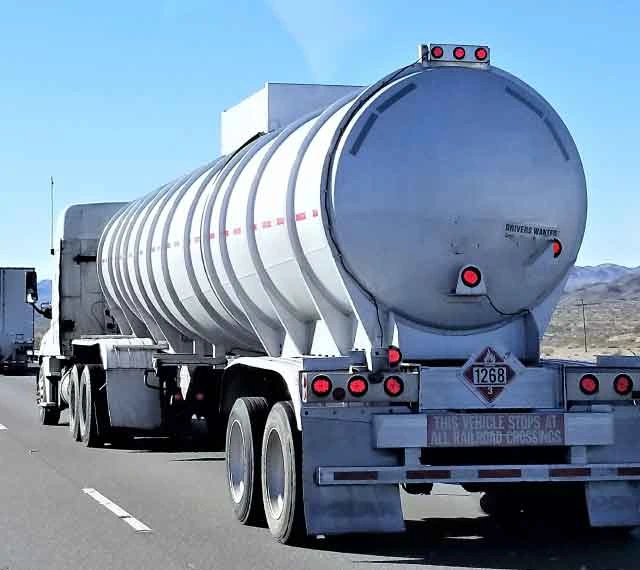
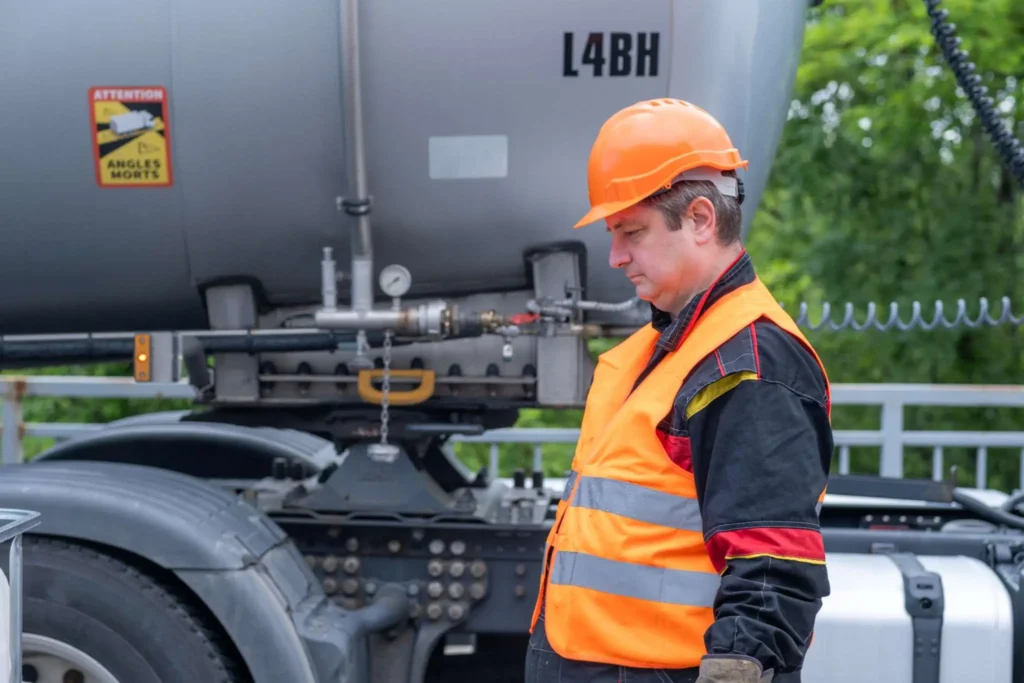
Hard hazmat includes higher-risk hazardous materials with severe injury, environmental, and public safety exposure.
Common examples include:
Hard hazmat operations typically require:
These limits are mandated by regulation and strictly enforced.
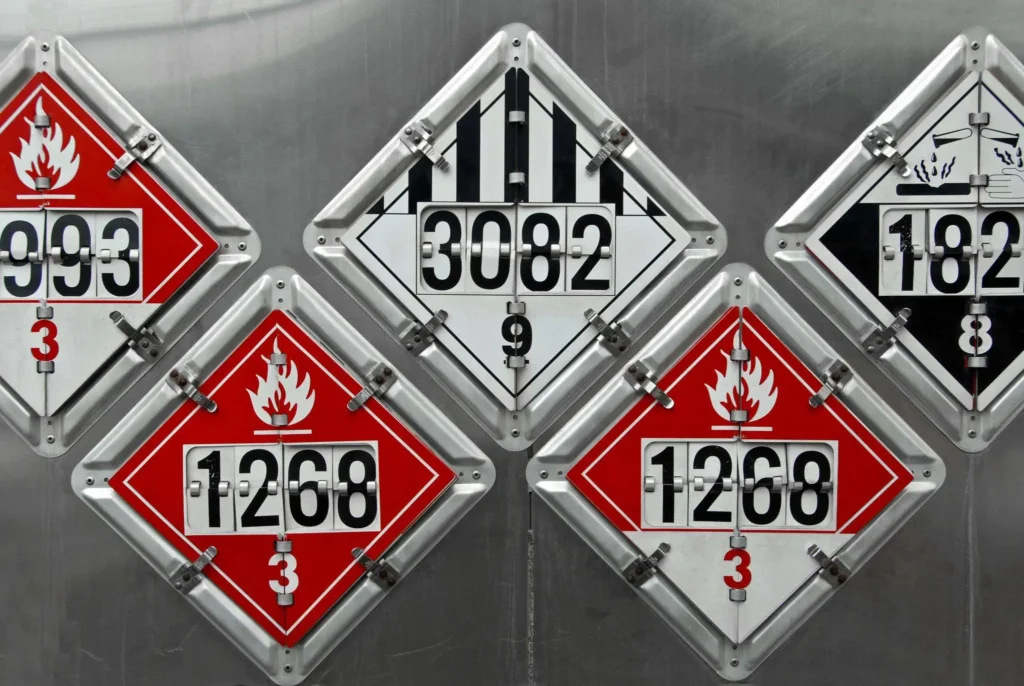
Placards are a critical part of hazmat classification and insurance underwriting.
Placards:
If a load requires placards, it must be disclosed to the insurer. Failure to disclose placarded hazmat can result in denied claims or policy cancellation.
Cogo Insurance reviews placard requirements carefully to ensure accurate classification.
Hazmat Insurance is a coordinated package of coverages designed to address elevated risk.
Auto Liability
Environmental exposure is one of the largest risks in hazmat transportation.
Environmental and pollution coverage may include:
Pollution losses can exceed auto liability limits quickly.
Cargo coverage must be compatible with hazmat exposure.
Policies may require:
Cogo Insurance ensures cargo coverage aligns with the materials hauled.
General Liability covers non-auto incidents such as:
This coverage complements Auto Liability and Pollution coverage.
Hazmat Insurance is required for:
If a load requires placards, specialized insurance is required.
Hazmat underwriting is driven by risk controls and compliance.
Key factors include:
Accurate disclosure is critical.
Many carriers encounter issues such as:
Cogo Insurance corrects these issues before a loss occurs.
Hazmat insurance requires precision and experience.
We focus on compliance, protection, and long-term insurability.
Light hazmat generally requires $1,000,000 CSL. Hard hazmat requires $5,000,000 CSL due to higher risk materials.
Yes. Placards trigger regulatory and insurance requirements and must be disclosed.
No. Environmental and pollution coverage must be specifically added.
Yes, when pollution coverage is included, cleanup and remediation may be covered.
Yes, but proper endorsements, training, and insurance limits are required.
Yes. We review contracts, placards, and materials to ensure proper coverage.