- (937) 404-1040
- Mon - Fri: 8:30am - 5:00pm EST

Trailer Interchange insurance protects trucking companies when they are hauling trailers they do not own under a written trailer interchange agreement. It covers physical damage to non-owned trailers while they are in your care, custody, and control.
Cogo Insurance places Trailer Interchange coverage for owner operators and fleets across the United States. We structure policies that satisfy interchange agreements, rail and port requirements, and motor carrier contracts, while avoiding gaps that often surface only after a loss.
Trailer Interchange insurance provides physical damage coverage for trailers that are not owned by the insured but are being used under a formal interchange agreement.
Covered losses typically include:
Coverage applies only while the trailer is under your responsibility.
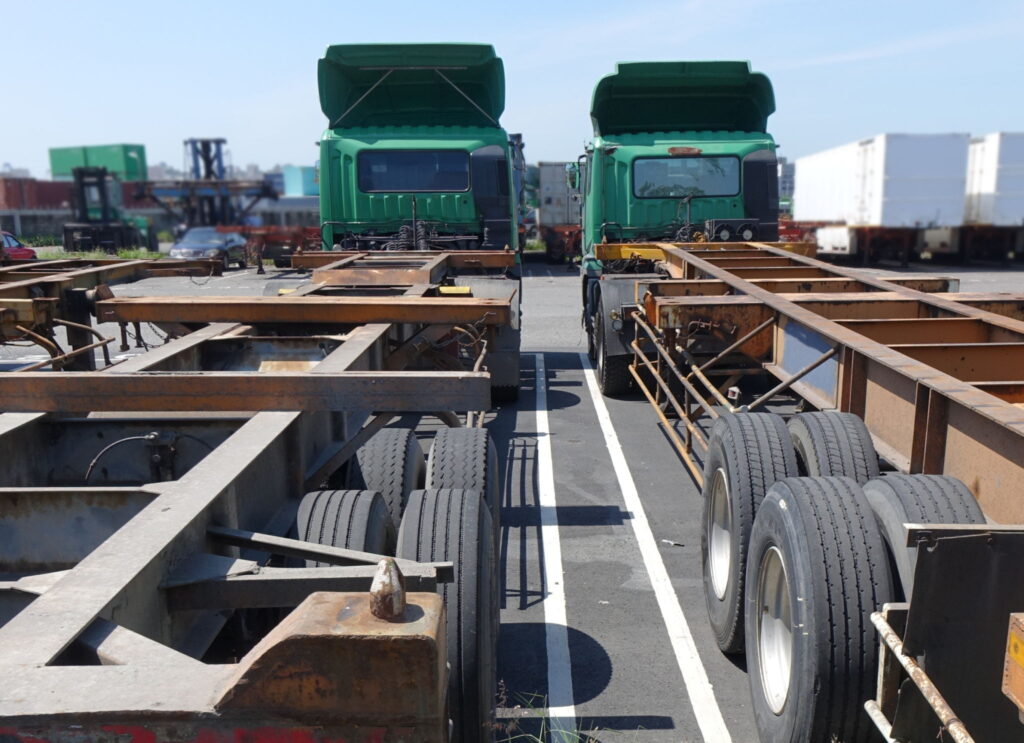

These terms are often confused, but they are not identical.
Some policies combine both concepts. Others restrict coverage strictly to interchange agreements.
Cogo Insurance reviews contracts and policy language to confirm that coverage applies to how trailers are actually used.
Trailer Interchange is commonly required for:
If you are responsible for a trailer you do not own, exposure exists.
Limits should reflect the value of the trailers or equipment being interchanged.
Common limit options include:
Limits are usually written on a per-trailer basis, subject to a maximum number of trailers.
Trailer Interchange deductibles directly affect premium.
Common deductible structures include:
Cogo Insurance balances deductibles with cash flow and risk tolerance.
Trailer Interchange insurance does not cover:
Other policies address those exposures.
Many carriers assume non-owned trailers are automatically covered. They are not.
We frequently see:
Cogo Insurance corrects these issues before a loss occurs.
Trailer Interchange coverage is technical and contract driven.
We structure coverage that satisfies contracts and responds when needed.
No. It is typically required by contract through interchange agreements, ports, or terminals.
No. Cargo is covered under Motor Truck Cargo insurance.
Yes, if you are responsible for damage under a written agreement.
Not always. Coverage depends on policy wording and whether a formal interchange agreement exists.
They can be, but must be specifically included in the policy.
Yes. We review agreements and match coverage to contractual responsibility.