- (937) 404-1040
- Mon - Fri: 8:30am - 5:00pm EST

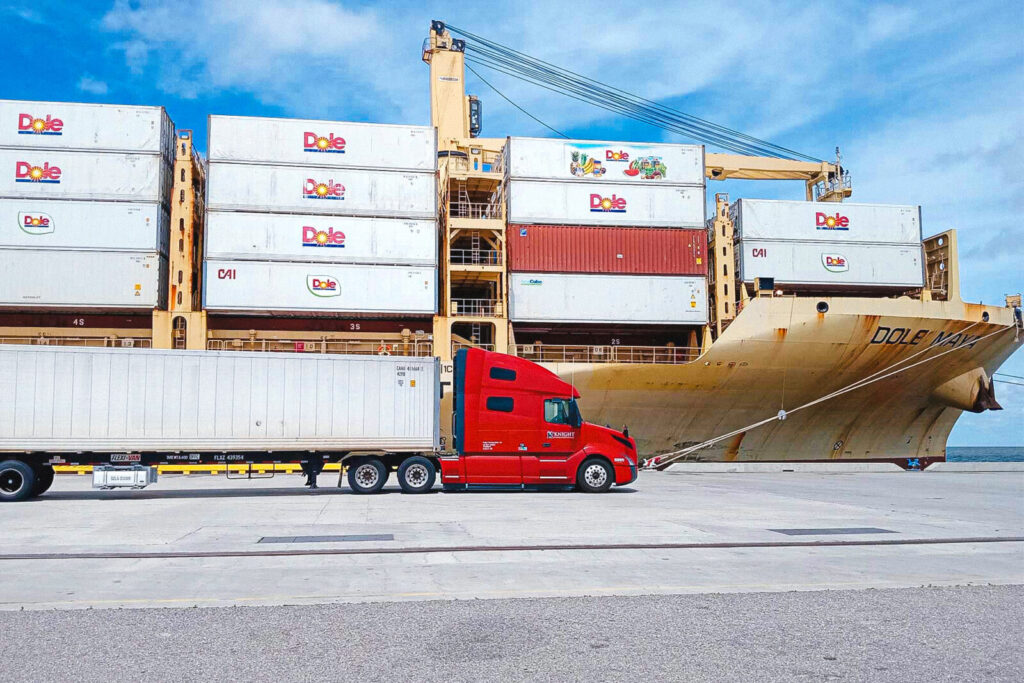
UIIA Intermodal insurance is required for motor carriers that haul intermodal containers or chassis at ports, rail ramps, and intermodal facilities in the United States. It ensures compliance with the Uniform Intermodal Interchange and Facilities Access Agreement (UIIA) administered by the Intermodal Association of North America (IANA).
Cogo Insurance structures UIIA-compliant insurance programs that meet port, rail, steamship line, and equipment provider requirements, while avoiding coverage gaps that frequently result in denied access or costly claims.
The UIIA is a standardized agreement governing the interchange of intermodal equipment such as containers and chassis between motor carriers and equipment providers.
To access ports, rail yards, and terminals, motor carriers must:
UIIA insurance is not a single policy. It is a package of coverages that must work together.

Cogo Insurance coordinates all required coverages to ensure uninterrupted terminal access.
UIIA compliance typically requires the following insurance components:
UIIA insurance may apply to:
Coverage must match the type of equipment being interchanged.
Limits vary by equipment provider, but common requirements include:
Cogo Insurance confirms limits against current IANA and equipment provider requirements.
UIIA insurance is highly technical. Small errors can block access to terminals.
Common issues include:
These issues often surface only when access is denied or a claim occurs.
UIIA insurance is required for:
If you enter a port or rail yard, UIIA compliance is required.
UIIA compliance requires precision and ongoing monitoring.
We focus on keeping carriers compliant and operational.
No. It is required by ports, rail yards, and equipment providers through contractual agreement.
Trailer Interchange is one component. UIIA requires multiple coordinated coverages.
No. Cargo is covered under Motor Truck Cargo insurance.
No. Chassis must be specifically included in interchange physical damage coverage.
Yes, if insurance requirements are met and properly documented.
Yes. We review coverage, limits, certificates, and compliance to ensure uninterrupted access.